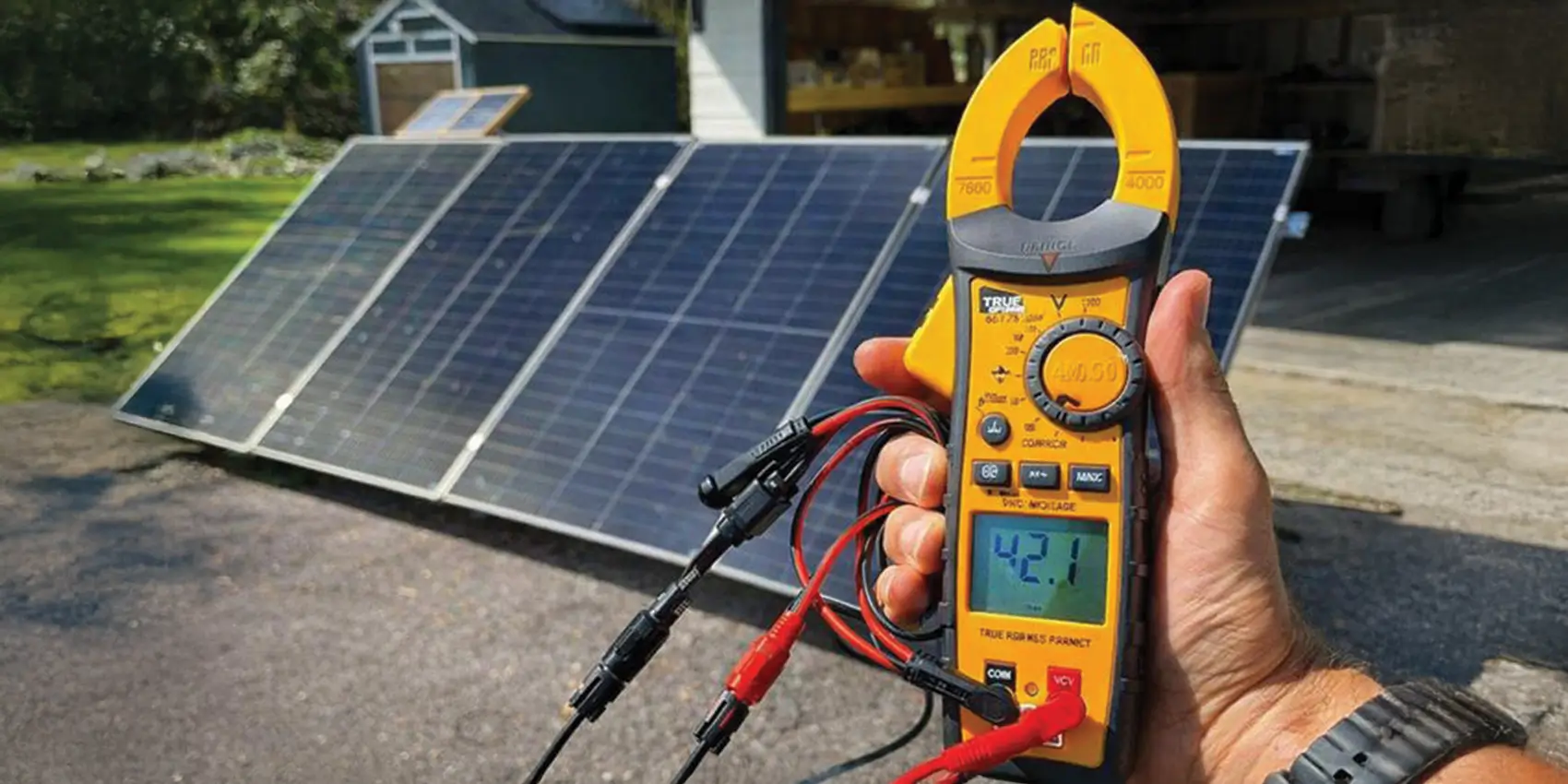
Solar panels are widely chosen for one simple reason-they make sense. They help reduce electricity bills, lower dependence on the grid, and support a cleaner environment by cutting carbon emissions. Many solar owners also benefit from government incentives like tax credits or rebates. To build further trust, reputed manufacturers like Orient Solar, widely regarded as the best solar panel company in India, back their products with strong performance warranties that can extend up to 25 years.
However, even with long warranties and reliable installation support, it’s important to understand that no solar PV system is completely maintenance-free. Over a span of two decades or more, inspection, servicing, and occasional troubleshooting are inevitable.
Many solar owners raise a common concern:
“My system is installed, the sun is shining, but the output isn’t what I expected.”
Without technical expertise, identifying the exact cause can feel overwhelming.
This article explains the most common reasons why solar panels may not perform properly and how these issues can be identified and addressed—insights regularly shared by experts from trusted brands like Orient Solar.
Most solar performance issues fall into one of the following three categories:
Understanding these problem types makes it much easier to trace the fault and take corrective action, ensuring your solar system continues to deliver reliable performance for years.
Zero power output is one of the most frequently reported issues. In fact, nearly 6 out of 10 service queries are related to this problem.
What many people don’t realize is that the solar panels themselves are often not the main cause. In most cases, the issue lies with a faulty inverter or charge controller. Another common reason is the failure of a single panel in the solar array.
Since panels are usually connected in series, one defective module can disrupt the entire system, causing complete shutdown—even if all other panels are working fine.
Low voltage problems are equally important to address because they directly affect system efficiency. While the system may appear to be working, reduced voltage means lower usable power.
Several factors can lead to low voltage in a solar power system.
Sometimes the system is generating power correctly, but the solar meter fails to display accurate data. This can happen due to:
What you can do:
Ensure the meter has a reliable internet connection. If the meter is outdated or malfunctioning, replacement is usually the best solution.
Solar panels need direct sunlight to operate at their best. When trees, nearby structures, or even cables cast shadows on the panels, sunlight absorption drops sharply. This affects not just the shaded panel but often the entire array.
In addition to shadows, dirt, dust, bird droppings, and pollution buildup create a layer that blocks sunlight from reaching the cells.
What you can do:
Consistent cleaning and basic site maintenance go a long way in maintaining output.
Wires may seem like a minor detail, but they play a major role in voltage loss. Longer cables and thinner wires increase resistance, which leads to power loss.
Electrical standards specify minimum cable sizes for safety reasons, but performance can still suffer if wiring isn’t optimized. Studies show that DC wiring alone can cause around 2% energy loss.
What you can do:
Use shorter cable runs and thicker wires wherever possible to keep voltage loss close to 1%.
Losses can also occur at connection points such as:
These components naturally have minor voltage drops due to resistance and contact imperfections. Over time, loose or corroded connections can worsen these losses.
Regular inspection helps keep these small issues from becoming bigger problems.
Like any long-term equipment, solar panels can develop defects as they age.
These are small, often invisible cracks in solar cells that increase resistance and reduce voltage. Over time, they can significantly impact overall system output.
PID causes gradual power loss due to voltage differences between solar cells and the grounded frame. It becomes more prominent in high-voltage systems, humid environments, or high temperatures. One of the challenges with PID is that it usually shows no visible signs.
5c. Delamination
Delamination occurs when the layers of the panel begin to separate. Moisture can then enter the panel, leading to leakage or internal damage. This defect often starts at the edges and spreads over time, especially if left unattended.
Routine inspections help identify these defects early and prevent long-term damage.
Sometimes a system shows voltage but no current. This usually points to a wiring, connection, or measurement issue rather than panel failure.
An open circuit prevents current flow even when voltage is present. Common causes include:
2.Mismatched Load Voltage
If the connected load—such as a battery or appliance—requires a higher voltage than the panels can provide, current flow may stop completely.
A low-quality, damaged, or incorrectly configured charge controller can block current flow, resulting in zero amperes.
Sometimes, the issue lies within the solar panel itself. Even when voltage is present, internal faults can prevent current from flowing properly.
4a. Loose MC4 connectors are a common reason. These connectors link panels together, and if they are not firmly locked or become loose over time, the electrical flow can get interrupted.
4b. Problems inside the junction box can also cause trouble. The junction box contains important internal connections, and if any part becomes loose or damaged during transport, installation, or handling, it can stop current flow altogether.
4c. Cracked panels or hotspots are another possible cause. Physical damage such as cracks or areas of overheating affects how electricity moves through the panel, often resulting in little to no current output.
Lastly, shading plays a bigger role than many people realize. Shadows from nearby objects, accumulated dust, or debris on the panel surface can block sunlight and significantly reduce—or completely stop—current generation.
At times, the issue isn’t with the solar system at all but with how the measurements are taken.
Using incorrect multimeter settings is a common mistake. For example, measuring current on AC mode instead of DC, or selecting the wrong range, can easily show a false zero-amp reading even when the system is working fine.
Incorrect multimeter connections can also lead to misleading results. If the meter is not connected properly in the circuit, it won’t measure current accurately.
To avoid such confusion, it’s important to inspect the system carefully, follow a step-by-step troubleshooting approach, and repair or replace any faulty components when required. Regular checks and basic maintenance help keep the solar system running smoothly and ensure it delivers the power output you expect.
If basic troubleshooting doesn’t reveal the issue, it’s best to contact a certified electrician or your solar installer. Working with electrical systems involves real safety risks.
Always:
An experienced technician can identify hidden issues safely and accurately.
Solar PV systems offer long-term benefits—from reduced electricity bills to a cleaner environment. While warranties may last up to 25 years, regular maintenance and timely troubleshooting are essential for consistent performance.
Most issues stem from simple causes like shading, wiring losses, faulty components, or aging panels. With routine inspections and early action, your solar system can continue to deliver reliable power for decades.
And when in doubt, don’t hesitate to seek professional help-because a well-maintained solar system is a truly sustainable investment.
Stay Connected | Stay Updated
🔗 Follow us: https://www.linkedin.com/company/orient-solar-power
🌐 Visit us: www.admsolarpower.com | www.orientsolar.com
Frequently Asked Question
Request A Quote