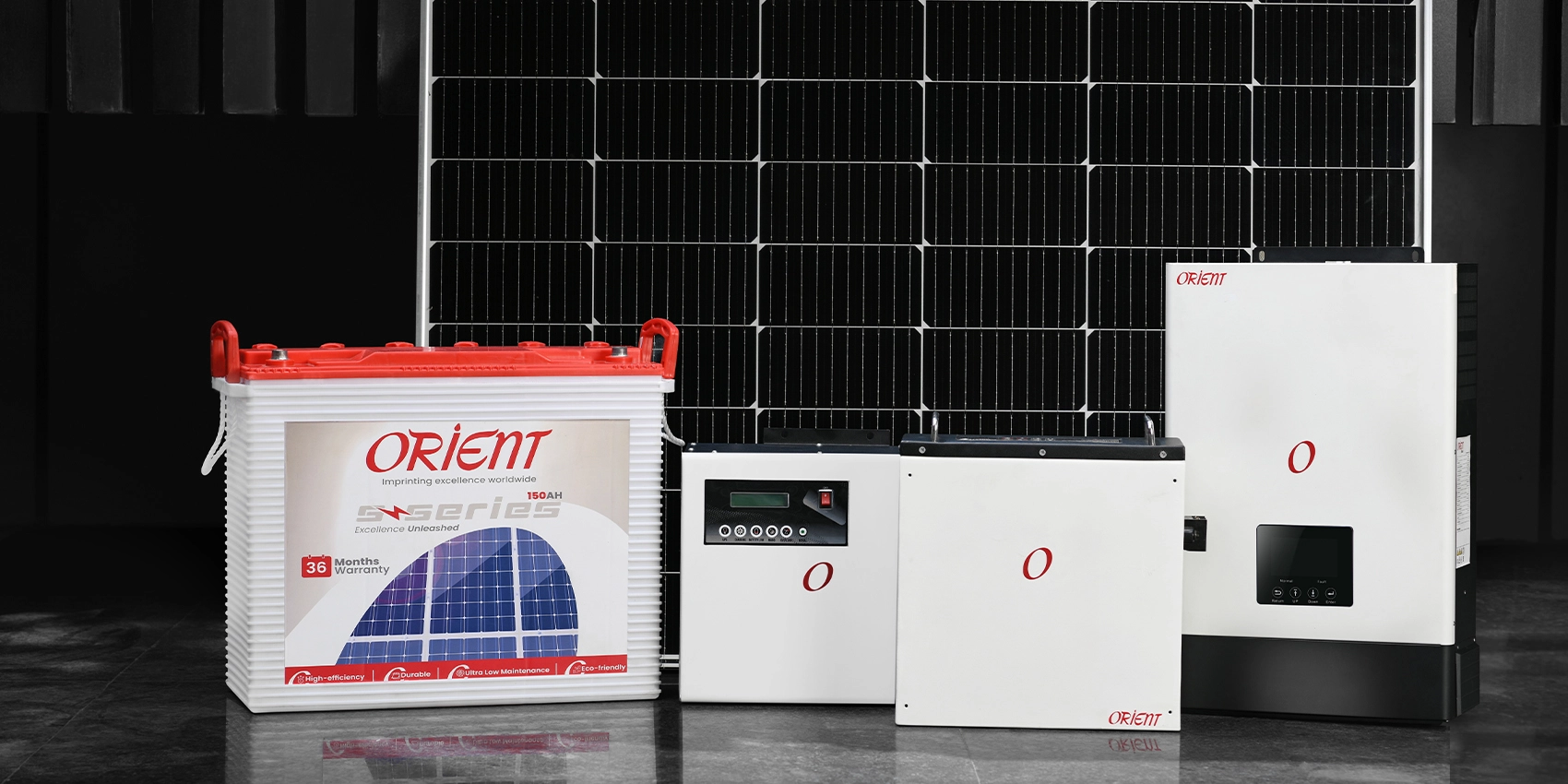
Hybrid Solar Systems are a breakthrough in the pursuit of sustainable and efficient solar energy solutions. Hybrid solar power systems with the best of both methods - traditional and modern battery storage - hybridise your energy generation so that we can save more, better. This comprehensive guide will walk you through the fundamentals of hybrid solar systems, their components, benefits, and how they compare to other solar power solutions.
A hybrid solar system integrates the functionality of both on-grid and off-grid solar systems. Essentially, it allows you to store excess solar energy in batteries for use when the sun isn't shining, while also connecting to the grid to ensure a continuous power supply. This dual capability makes hybrid systems a popular choice for those seeking energy independence without completely disconnecting from the grid.
Solar Panels: These are the most visible component, responsible for capturing sunlight and converting it into electricity. The panels are typically mounted on rooftops or open spaces with maximum sun exposure.
Inverter: The inverter plays a crucial role by converting the direct current (DC) produced by the solar panels into alternating current (AC), which is the form of electricity used by most household appliances.
Battery Storage: Batteries store excess energy generated during the day for use during nighttime or cloudy days. This component is essential for ensuring a steady power supply and enhancing energy independence.
Charge Controller: This device regulates the flow of electricity from the solar panels to the batteries, preventing overcharging and ensuring efficient energy storage.
Grid Connection: The system remains connected to the public electricity grid, allowing for the import of electricity when needed and the export of excess electricity back to the grid.
The operation of a hybrid solar system can be broken down into a few key processes:
Energy Generation: During daylight hours, solar panels generate electricity. This energy is first used to power any immediate household needs.
Battery Charging: Any surplus electricity generated is directed to charge the batteries. The charge controller ensures the batteries are charged efficiently without overloading them.
Grid Interaction: If the batteries are fully charged and there is still excess electricity, it can be exported back to the grid. Conversely, if the solar panels are not generating enough electricity (e.g., during the night or on very cloudy days), electricity can be drawn from the grid to meet household needs.
Energy Consumption: At night or during a power outage, the stored energy in the batteries is used to power the household, ensuring a continuous energy supply.
Energy Independence: By storing solar energy, you can reduce your reliance on the grid, leading to greater energy security and independence.
Cost Savings: Hybrid systems can significantly reduce electricity bills. By using stored energy during peak hours when electricity consumptions are higher, you can minimize grid electricity consumption.
Backup Power: The battery storage in hybrid systems provides a reliable backup during power outages, ensuring an uninterrupted power supply.
Grid Stability: By exporting excess electricity back to the grid, hybrid solar systems can contribute to grid stability and efficiency.
Environmental Impact: Utilizing solar energy reduces dependence on fossil fuels, thereby lowering greenhouse gas emissions and contributing to a cleaner environment.
When deciding between different solar power solutions, it’s important to understand the distinctions and advantages of hybrid systems compared to on-grid and off-grid systems.
On-grid systems are connected to the public electricity grid and do not include battery storage. They are designed to supply electricity directly to the grid or the household as it is generated.
Advantage:
Lower initial cost compared to hybrid systems.
Simple design and easy maintenance.
Ability to sell excess electricity back to the grid.
Disadvantage:
No backup power during outages.
Continued reliance on the grid for electricity when solar generation is insufficient.
Off-grid systems are completely independent of the public electricity grid. They rely solely on solar panels and battery storage to meet all energy needs.
Advantage:
Complete energy independence.
Ideal for remote areas without grid access.
Disadvantage:
Higher initial cost due to the need for extensive battery storage.
Requires careful management of energy usage and storage.
When selecting a hybrid solar system, consider the following factors:
Energy Needs: Assess your household's energy consumption patterns to determine the appropriate size and capacity of the system.
Budget: While hybrid systems can be more expensive upfront due to battery storage, consider the long-term savings on electricity bills.
Battery Capacity: Choose batteries with sufficient capacity to meet your backup power needs and ensure a steady power supply.
Quality and Warranty: Invest in high-quality components with reliable warranties to ensure durability and performance.
Professional Installation: Work with experienced installers to ensure the system is set up correctly and efficiently.
Hybrid solar systems offer a versatile and efficient way to harness solar energy, providing both energy independence and grid connectivity. By integrating solar panels, inverters, battery storage, and grid interaction, Orient hybrid system ensure a reliable and sustainable power supply. As the world moves towards more sustainable energy solutions, Orient hybrid solar system represent a significant step forward in achieving energy security and reducing environmental impact. Whether for residential or commercial use, these systems offer a practical and forward-thinking solution for a greener future.
Frequently Asked Question
Request A Quote